Insights · 4 min read
How Planned Property Maintenance Can Help Businesses
How a planned approach to property maintenance helps businesses and property managers spot issues early and reduce unexpected disruption.
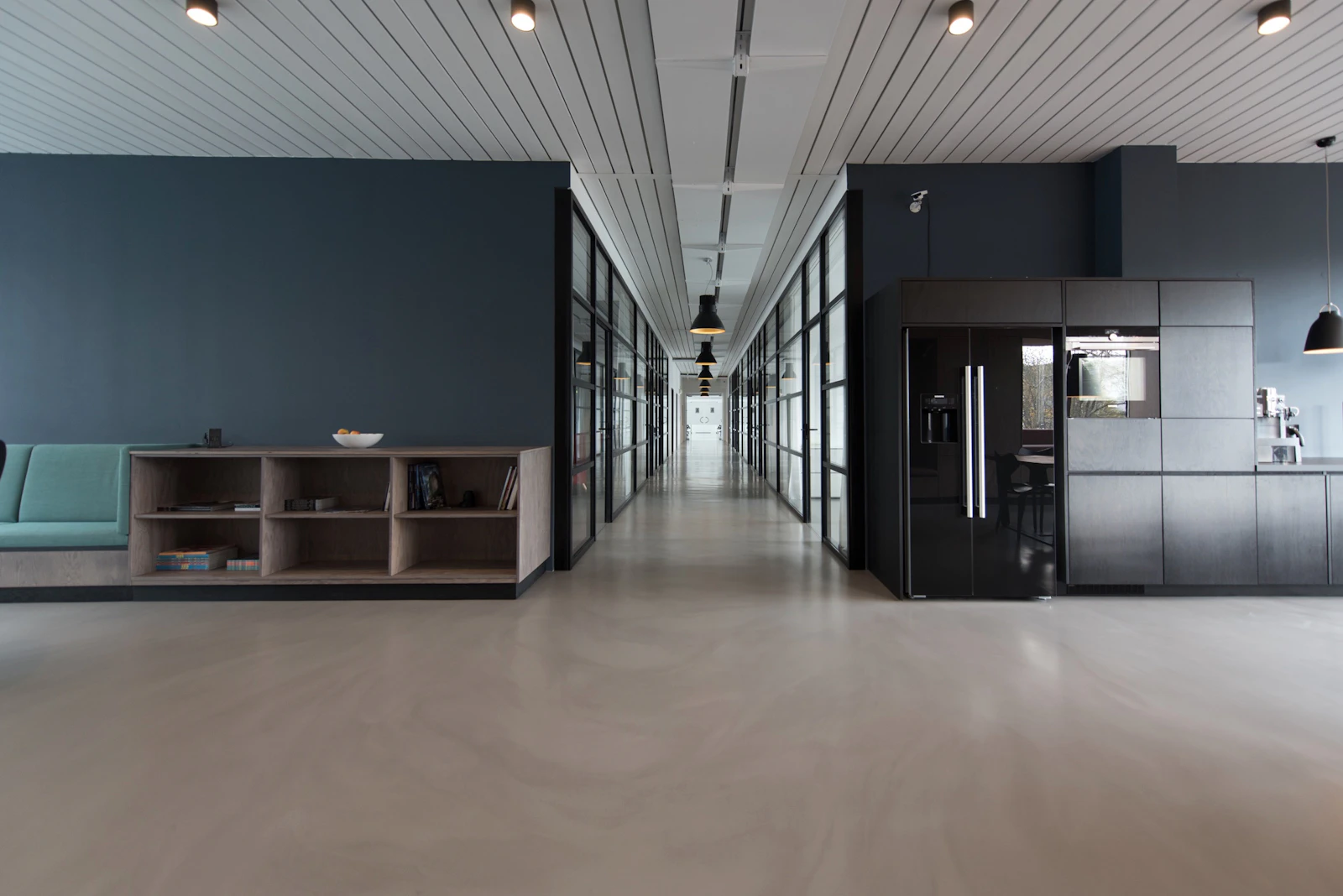
Illustrative photography. Not an AXO Group project.
Reactive versus planned maintenance
Reactive maintenance deals with problems once they happen: a leak, a failed light or a damaged door. Planned maintenance schedules routine checks and works in advance, so small issues can be found and addressed before they become larger ones. Most properties need both.
The benefits of planning ahead
A planned approach can help businesses:
- Spot wear and defects early
- Schedule work at convenient times rather than in an emergency
- Budget more predictably
- Keep premises presentable for staff and customers
- Maintain clear records of work carried out
What a plan might include
The right plan depends on the building and how it's used. Typical elements include regular checks of roofs and gutters, plumbing and drainage, lighting and electrical accessories, doors and ironmongery, and the condition of decoration in heavily used areas.
One contact across trades
Many maintenance issues involve more than one trade. A multi-trade provider can manage the whole repair — for example plumbing, then plastering, then decorating — without you coordinating separate contractors.
Getting started
Start with a walk-round of the property to understand its condition and priorities. From there, a schedule of checks and works can be agreed that suits your premises and budget.
This guide provides general information only. Requirements vary between properties, so please seek advice specific to your project.
